Nutrition
What Ontario's Child Care Nutrition Rules Mean for Your Menu
2026-09-02 · 6 min read
A plain-language guide to the CCEYA food requirements, what an inspector actually looks for, and how to document your menu without extra paperwork.
Every licensed child care centre in Ontario has to meet the food and drink requirements set out in the Child Care and Early Years Act. The rules are not complicated, but they are specific, and they are one of the first things an inspector checks.
Here is what they mean in practice for the menu you post on the wall each week.
1. Menus follow Canada's Food Guide
Meals and snacks must be planned in line with Canada's Food Guide. In practice that means a lunch with a protein, a whole grain, and vegetables or fruit, and snacks that include at least one vegetable or fruit.
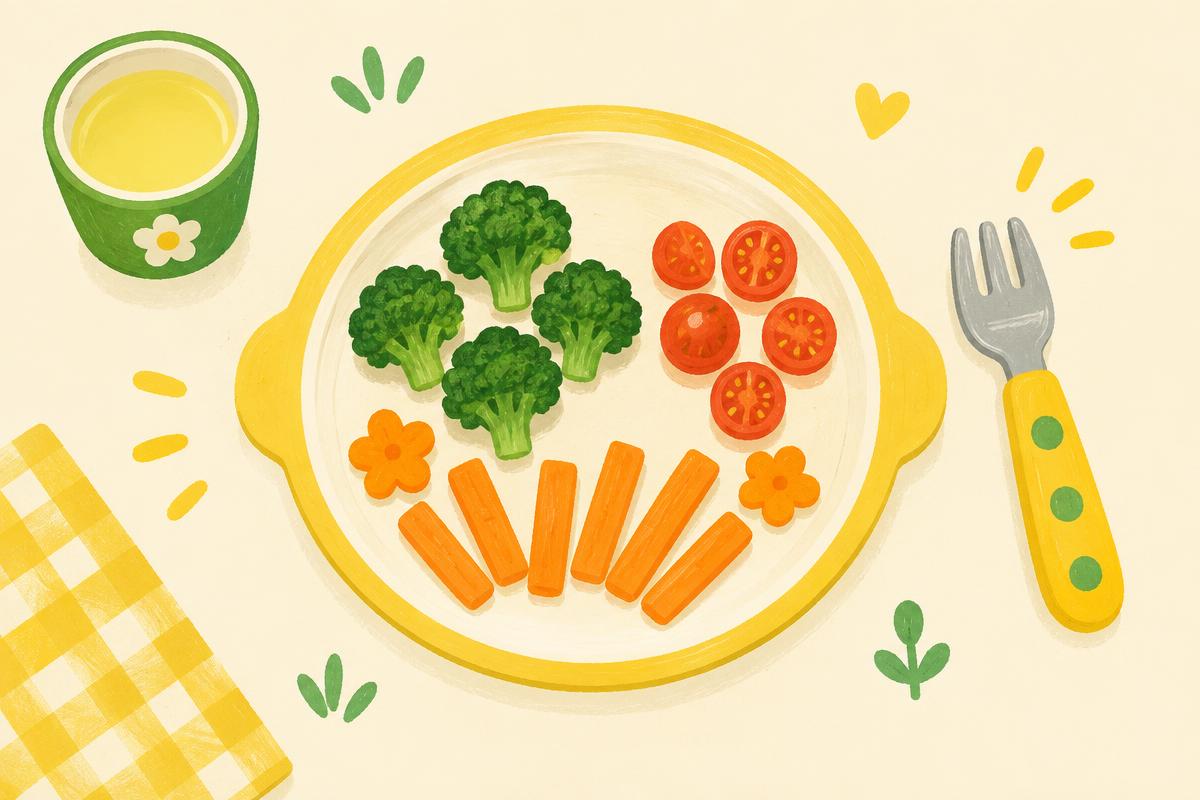
The 2019 guide moved away from counting servings and towards proportions: half the plate vegetables and fruit, a quarter whole grains, a quarter protein. Menus that hit those proportions consistently will not raise questions.
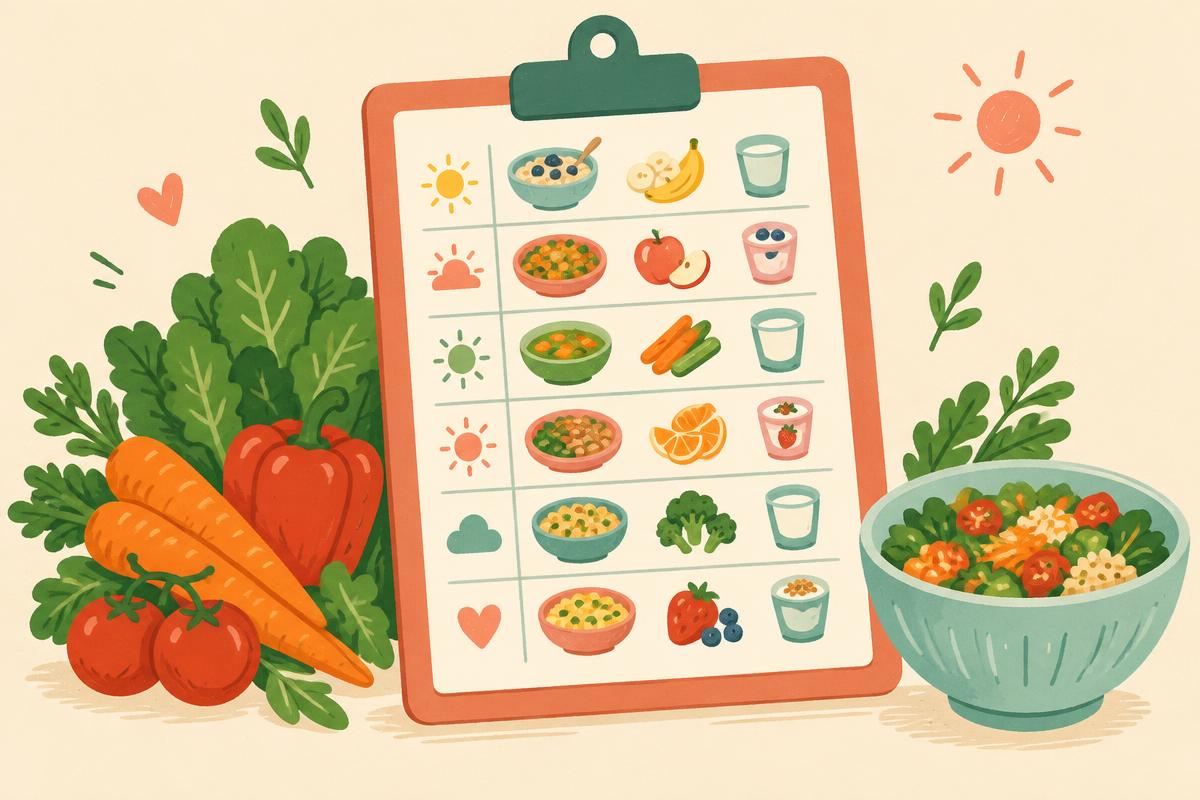
2. The menu has to be posted, and it has to match what you serve
The current week's menu must be posted where parents can see it, and any substitution made on the day must be written on it. This is the single most common finding in inspections: the menu says shepherd's pie, the kitchen served pasta, and nobody updated the board.
If your food comes from a caterer, ask for the menu in a format you can post directly, with ingredients listed. It saves rewriting it by hand every Monday.
3. Special diets and allergies must be documented per child
You need a written record of every child's food restrictions, and that record has to be available to anyone serving food. Anaphylactic allergies require an individual plan.
The practical test is whether a supply staff member could walk in, read the list, and serve lunch safely. If the information lives in one person's head, it does not meet the requirement.
4. Drinking water must always be available
Water has to be available to children at all times, including outdoors. Milk is required with meals for children under two unless a parent has directed otherwise in writing.
5. Food safety records still apply
Temperature logs, fridge thermometers and safe food handling certification are checked alongside the menu. If a caterer delivers your food, keep the delivery temperature records they provide — those count as part of your documentation.
What this looks like with a caterer
A good catering partner gives you three documents without being asked: a four-week menu with ingredients, an allergen chart, and delivery temperature records. Those three cover most of what an inspector will ask about food.
If you are reviewing suppliers, ask to see all three before you sign anything.
The Tiny Tummies kitchen team
We cook and deliver meals for childcare centres across the GTA every weekday. Have a question about your centre's menu? Call (647) 221-4333 or email hello@tinytummies.ca.